Storage
·351 words·2 mins
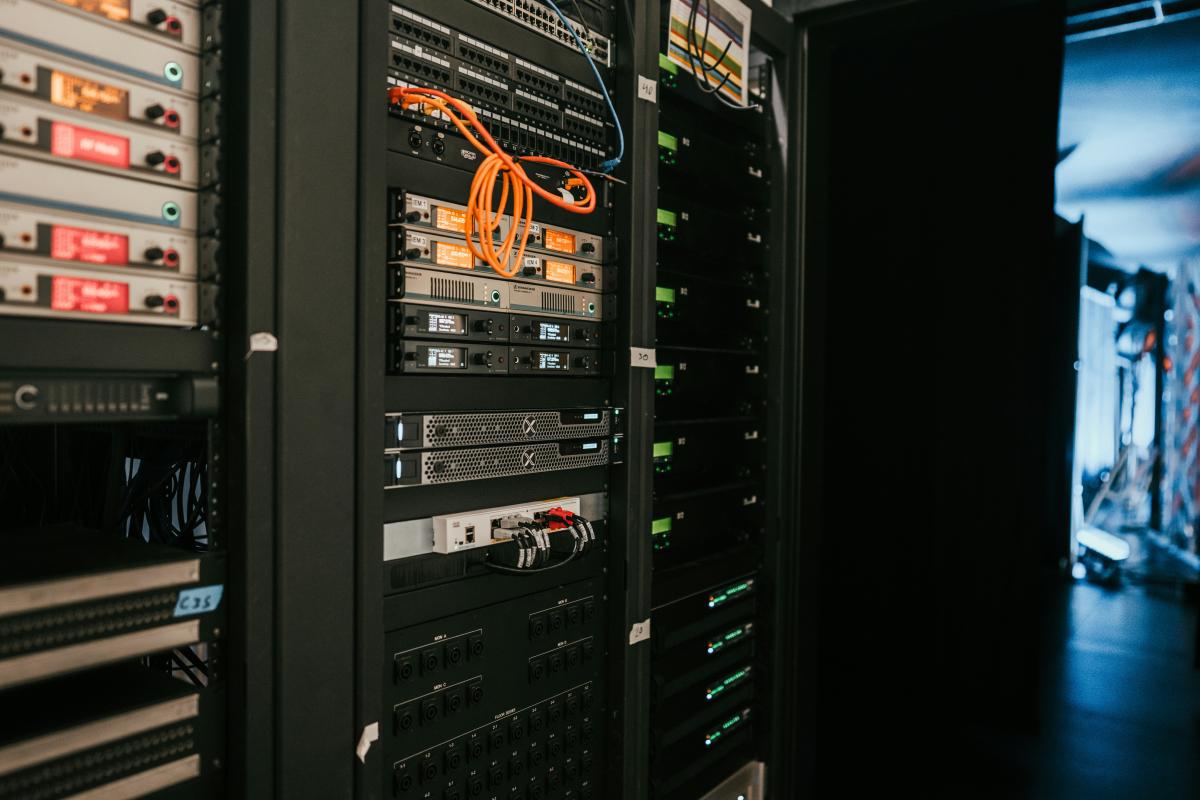
The idea was to build a small footprint server which would follow the KISS (“Keep it Simple, Stupid”) principles and would just work and stay stable. Which is how I ended up with the following setup.
A container centric deployment of bare metal Debian installation of which the primary goal was to automate media management and access. The server runs multiple services in docker containers which are configured via docker compose files. The media stack is made of “frontend” services like “Jellyfin” which is used to serve the media, while the “backend” uses arr services like (sonarr and radarr) to manage the media.
The “frontend” services are peroxided via Nginx, while the backend services are accessible via FQDN by using a split DNS, and restricting access to them from outside of the local network. The deployment is supplemented by a edge installation of Opensense which acts as the local DNS and DHCP server (installed on a physical server).
The media files are stored on a local array of multiple drives which are grouped together under Mergerfs in combination with SnapRAID in order to provide redundancy to the deployment.
The server is hosting several other services like a Nextcloud installation, but this short series would mainly focus on tools choice architecture and implications it would assume the reader is familiar with containers as well as has some understanding of networking and Linux.